
TL;DR

Get baking supplies delivered free with Prime
- Fast, free delivery on millions of items
- Prime Video, Amazon Music and more included
- Member-only deals all year
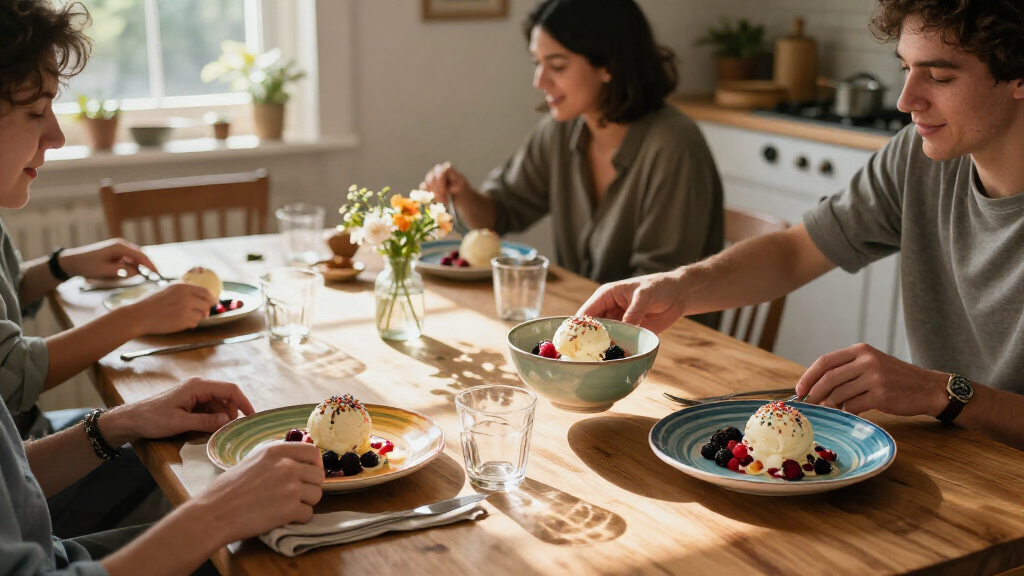
Good Housekeeping reports on the “anti-algorithm” tablescape, a hosting style that favors personal, mixed tableware over carefully coordinated settings. Event planners recommend starting with items already at home, adding vintage or borrowed pieces, and choosing details that support a shared mood rather than a matching set.
Good Housekeeping has outlined how hosts can create “anti-algorithm” tablescapes, an informal design approach that replaces coordinated place settings with a mix of personal, vintage, inherited, or unexpected pieces. Event planners quoted in the report say hosts can begin by shopping their own homes and building around a mood, rather than buying a matching set.
The report describes the style as a move away from tables that appear meticulously coordinated. Instead, hosts can combine mismatched china, inherited silverware, layered linens, and unusual serving pieces to create a table that reflects their own tastes. The idea is not to make every item clash, but to choose pieces that feel connected by a shared atmosphere or story.
Amos Gott, chief event architect at AmosEvents, recommends asking whether each item belongs in the same story rather than whether everything matches. He gives the example of blue-and-white porcelain, amber glassware, and antique brass candlesticks: separate styles that could work together to create a warm, traveled feel.
Event planner Emily Reno advises hosts to look through dishes, glassware, candles, and decorations they already own before shopping. She also suggests thrift stores for individual plates and decorative pieces, and borrowing from friends or family when a larger gathering requires more settings. Morgan Montgomery, event planner and co-owner of Paisley & Jade, recommends adding an unexpected accent such as a tabletop lamp, which she says can contribute both light and personality.
A More Personal Way to Host
The approach offers a practical alternative for hosts who want a distinctive table without buying a coordinated collection. Starting with belongings already on hand may also limit spending, while borrowing or buying individual secondhand pieces can fill gaps without requiring a complete set. The report’s suggestions are design advice, not evidence that this style is more popular or less costly for every host.
It also shifts the goal from reproducing a polished look seen online to creating a setting that feels connected to the people hosting and gathering. A mix of useful objects, family pieces, and conversation-starting details can make a table feel personal without requiring strict visual uniformity.
Products Worth Considering

KitchenAid KSMPRA 3-Piece Pasta Roller and Cutter Set

Breville Barista Express Espresso Machine with Built-In Grinder, Black Truffle

Le Creuset Essential Non-Stick Ceramic Shallow Frying Pan, 12-Inch
As an affiliate, we earn on qualifying purchases.
From Matching Sets to Mixed Pieces
The report frames “anti-algorithm” tablescapes as a response to highly coordinated table settings encountered through social media. It uses the term for a flexible aesthetic, not a formal set of rules or a named industry standard. Its central distinction is between choosing items to match and choosing them because they contribute to a common mood.
The advice comes from event planners and designers interviewed by Good Housekeeping. Gott emphasizes a table’s personal story; Reno focuses on reusing, thrift-shopping, and borrowing; Montgomery offers a lighting and decor idea. Their comments provide practical suggestions, but the report does not present survey data, sales figures, or other measurements of how widely the style is being adopted.
““People are exhausted by tables that look like they were assembled by a search engine.””
— Amos Gott, chief event architect at AmosEvents
A Flexible Style, Not a Rulebook
The report does not establish how common the “anti-algorithm” approach is, whether it is gaining popularity, or whether it produces measurable savings. The label is used to describe an aesthetic rather than a formally defined trend with agreed standards. It also does not specify particular products, budgets, or table layouts that hosts should use.
How mixed pieces work together will depend on the items available and the host’s preferences. Gott’s examples and the other planners’ recommendations are individual design guidance; they do not guarantee that every combination will produce the same effect.
Start With What You Own
For readers looking to try the style, the report’s practical next step is to lay out dishes, glasses, linens, candles, and serving pieces already at home. Choose a mood, then group items that support it without requiring every place setting to be identical. If there are gaps, consider borrowing from friends or family or searching secondhand shops for individual pieces.
The report does not announce a formal event, product launch, or follow-up development. Its recommendations leave the final choices to each host: use only the ideas that suit the meal, the guests, and the pieces available.
Key Questions
What is an “anti-algorithm” tablescape?
It is an informal approach to table styling that favors personal, eclectic combinations over a fully coordinated set. Hosts might mix different plates, glassware, linens, and decorative objects.
How can I make mismatched tableware feel cohesive?
Amos Gott recommends starting with a mood or shared story, rather than trying to make every item match. Pieces can differ in style while contributing to a similar atmosphere.
Do I need to buy new tableware?
No. Emily Reno suggests checking your own dishes, glassware, candles, and decorations first. She also recommends borrowing pieces or looking for individual items at thrift stores if you need more settings.
What unexpected details could I add?
The planners’ suggestions include an unusual vase, an inherited platter, or a tabletop lamp. These are optional accents; the report does not prescribe a particular centerpiece or required item.
Source: goodhousekeeping.com