

Many believe that eating cold foods can upset digestion or cause discomfort, but scientific evidence shows otherwise. Cold foods don’t markedly affect your digestive process because your body works quickly to warm them. While some people with sensitive stomachs may feel bloated or cramp from cold foods, it’s not a widespread issue. Most cultures comfortably consume chilled foods without problems. To discover why these myths persist and what truly impacts digestion, keep exploring the facts.
Key Takeaways
- Scientific evidence indicates cold foods have minimal impact on digestion for most people.
- Myths suggest cold foods constrict blood vessels or solidify fats, but these lack strong scientific support.
- The body efficiently warms cold foods, causing little to no disruption in digestive processes.
- Cultural practices widely include cold foods without widespread digestive issues.
- Overall digestive health depends more on habits like chewing, fiber intake, and moderation than food temperature.
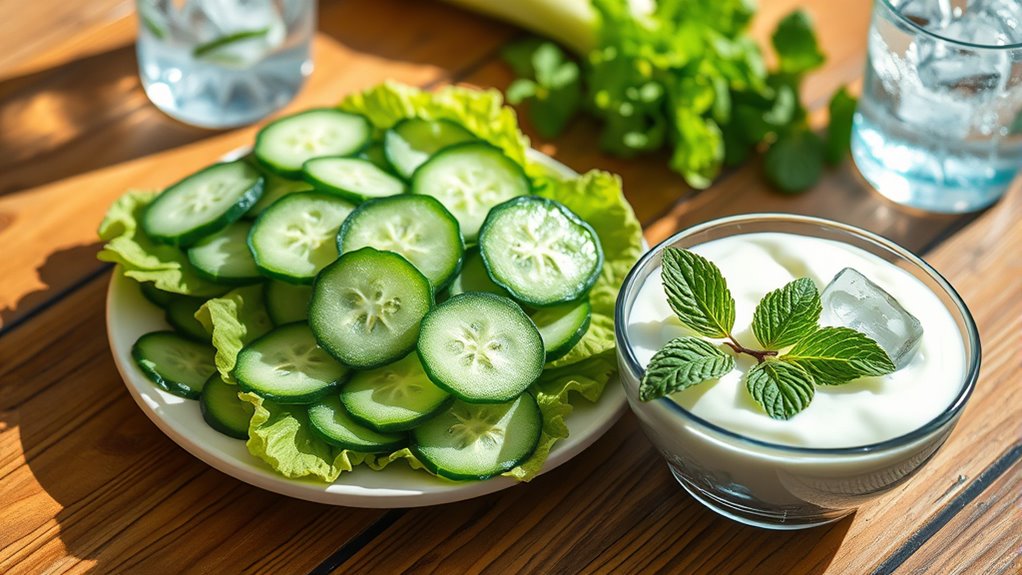
Many people find that consuming cold foods can sometimes upset their digestion, especially if their stomach is already sensitive. This concern often stems from the belief that cold food temperature might slow down digestion or cause discomfort. While it’s true that food temperature can influence how your digestive system responds, the relationship is more nuanced than common myths suggest. Your digestive health isn’t solely dependent on whether you eat your food hot or cold; instead, a variety of factors play a role, including food choices, eating habits, and overall gut health.
Cold foods may upset digestion if your stomach is sensitive, but overall impact is minimal and depends on individual factors.
Some believe that cold foods can constrict blood vessels or solidify fats in the stomach, making digestion sluggish. However, scientific evidence doesn’t strongly support this idea. The human body is well-equipped to regulate internal temperature, so consuming cold foods doesn’t considerably interfere with the process of digestion. When you eat cold foods, your body will work to warm them to core body temperature, so any impact on your digestive efficiency is minimal. It’s also worth noting that many cultures regularly consume cold foods, like salads and chilled desserts, without widespread reports of digestive problems.
That said, if your stomach is sensitive or you have gastrointestinal issues, you might notice discomfort after eating very cold foods. For some individuals, sudden ingestion of cold items might trigger bloating or cramping, not because of food temperature itself, but due to existing sensitivities or conditions like irritable bowel syndrome. In such cases, paying attention to how your body reacts is wise. You might find that consuming foods closer to room temperature or slightly warmed helps you feel better, but this isn’t a strict rule for everyone.
Furthermore, the idea that hot foods are always better for digestion isn’t entirely accurate either. While warm foods can sometimes be more soothing and easier to process, they’re not a cure-all for digestive issues. Good digestive health depends on balanced eating habits, such as chewing thoroughly, eating in moderation, and including fiber-rich foods. Temperature is just one small piece of the puzzle. Additionally, digestive enzymes in the body help break down food regardless of its temperature, further supporting that temperature alone isn’t a decisive factor.

Winco 8 qt Stainless Steel Mixing Bowl
- Material: Stainless steel for durability
As an affiliate, we earn on qualifying purchases.
As an affiliate, we earn on qualifying purchases.
Frequently Asked Questions
Can Eating Cold Foods Cause Long-Term Digestive Issues?
Eating cold foods typically won’t cause long-term digestive issues if your digestive health is otherwise good. Food temperature doesn’t substantially impact your digestion, so enjoying cold foods in moderation is fine. However, if you have existing digestive problems, very cold foods might temporarily cause discomfort or slow digestion. Focus on maintaining a balanced diet and listen to your body’s signals to support overall digestive health.
Are Cold Foods Suitable for People With Sensitive Stomachs?
Cold foods can be suitable for people with sensitive stomachs if you pay attention to cold food safety and your digestive temperature. Eating chilled or cold foods may sometimes trigger discomfort, so it’s best to listen to your body. If you notice issues, try warming foods slightly or consuming them at a more moderate temperature. Always guarantee proper storage and handling to prevent any risks associated with cold food safety.
Do Cold Foods Affect the Absorption of Nutrients?
Cold foods don’t substantially affect nutrient bioavailability or enzyme activity when you eat them. Your body works efficiently to break down and absorb nutrients regardless of temperature, so cold foods won’t impair nutrient absorption. However, extremely cold foods might slow digestion slightly, but overall, your body adapts quickly. Focus on balanced meals to guarantee you’re getting the nutrients you need, and enjoy cold foods without worry about nutrient absorption.
Is There a Difference Between Cold Foods and Frozen Foods in Digestion?
Cold foods and frozen foods differ mainly in temperature effects and food preservation methods. Cold foods are typically chilled but not frozen, aiding digestion without substantially altering enzyme activity. Frozen foods, stored at very low temperatures, preserve nutrients longer but can slow digestion temporarily when eaten. While both impact digestion differently, the key is how temperature influences enzyme function and preservation, not whether foods are cold or frozen.
How Do Traditional Beliefs About Cold Foods Impact Dietary Choices?
Traditional beliefs about cold foods often influence your dietary choices by encouraging or discouraging their consumption based on cultural practices. You might avoid cold foods to align with these beliefs, even if modern dietary trends show they can be enjoyed without harm. Recognizing this impact helps you make more informed decisions, blending cultural respect with scientific understanding to create a balanced diet that suits your preferences and health needs.
Conclusion
So, next time you reach for that cold snack or drink, consider what the science says. Do cold foods truly harm your digestion, or is that just a myth? You have the power to make informed choices that suit your comfort and health. Remember, understanding the facts helps you avoid unnecessary worries. Isn’t it better to trust evidence over assumptions and enjoy your meals without fear? Your digestive comfort is more about balance than temperature.