
When replacing sugar with allulose in your recipes, start with a 1:1 ratio, using the same amount. Because allulose is about 70–80% as sweet as sugar, you might need to add a little more—up to 1 1/4 cups—to reach the desired sweetness. Keep in mind, some adjustments to texture or baking time may be needed. To get the best results, learn more about fine-tuning your substitutions here.
Key Takeaways
- Use a 1:1 to 1 1/4:1 ratio of allulose to sugar for typical recipes, adjusting for desired sweetness.
- Slightly increase allulose amounts to compensate for its lower sweetness compared to sugar.
- Reduce original sugar content by about 25% when replacing with allulose to maintain texture and moisture.
- Be aware that allulose doesn’t brown or caramelize like sugar, so baking times and temperatures may need tweaking.
- Taste-test and fine-tune the allulose amount to achieve the preferred sweetness level without compromising recipe structure.
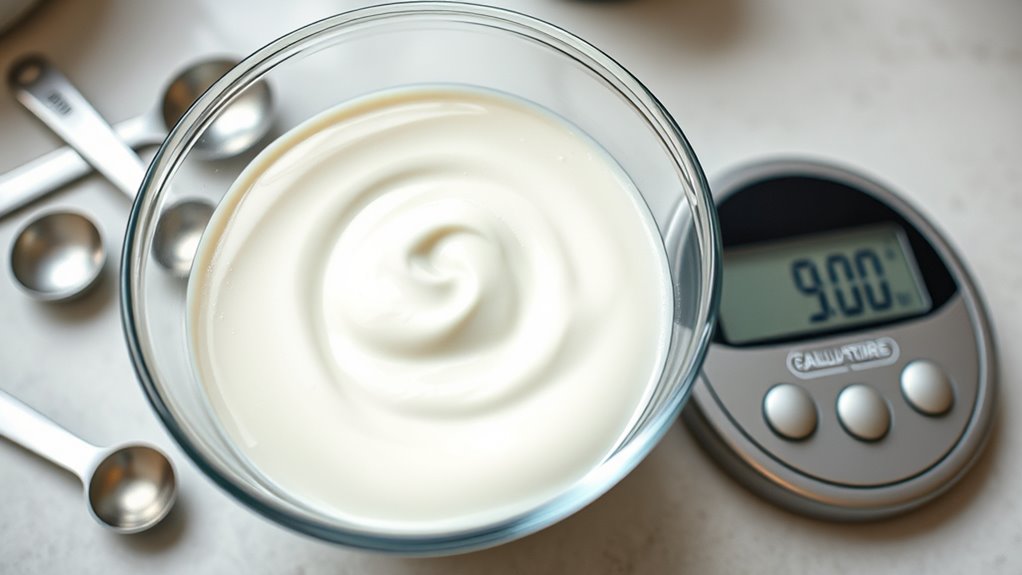
Are you looking for a way to enjoy your favorite desserts without the sugar spike? If so, exploring lower-sugar bases with allulose could be just what you need. Allulose is a natural sugar replacement that offers the sweetness you crave without the added calories or blood sugar impact. When it comes to using allulose effectively, understanding practical ratios for recipe adaptation is key. This allows you to substitute traditional sugars seamlessly while maintaining the texture and flavor you love.
Most recipes calling for sugar can be adapted by replacing it with allulose at a 1:1 ratio. This simple substitution works well for many baked goods, cookies, and custards. However, it’s crucial to remember that allulose is about 70% to 80% as sweet as regular sugar, so you might want to adjust the amount slightly upward if you desire a sweeter taste. For example, if a recipe calls for 1 cup of sugar, using approximately 1 to 1 1/4 cups of allulose will help you achieve a comparable level of sweetness. Keep in mind that because allulose doesn’t caramelize and browns differently than sugar, some recipes may require minor adjustments in baking time or temperature.
Replace sugar with allulose at a 1:1 ratio; adjust slightly for sweetness due to lower sweetness level.
For recipes that depend heavily on sugar for structure or moisture, like certain cakes or bread, you might need to tweak the recipe further. Allulose tends to produce a slightly different texture—sometimes softer or more moist—so experimenting with ratios is vital for ideal results. A good starting point is to reduce the sugar by about 25%, then add a little extra allulose to reach your desired sweetness. This method helps you preserve the integrity of the recipe while lowering sugar content.
Additionally, since allulose behaves like sugar in terms of bulk, it often allows for straightforward recipe adaptation without sacrificing volume. Yet, because it doesn’t provide the same browning or caramelization, some recipes may benefit from combining allulose with other sugar substitutes or ingredients like molasses or brown sugar to enhance flavor and color. Always taste-test your batter or filling before baking to ensure it meets your sweetness preferences.
As an affiliate, we earn on qualifying purchases.
Frequently Asked Questions
Can Allulose Be Substituted 1:1 for Sugar in All Recipes?
You can’t always substitute allulose 1:1 for sugar in recipes because of recipe modifications needed. Allulose is less sweet and has different properties, affecting texture and browning. For ingredient substitutions, consider adjusting amounts or combining allulose with other sweeteners. Testing small batches helps you find the right balance. Keep in mind that some recipes may need extra modifications to achieve the desired taste and consistency when using allulose.
Does Allulose Affect Blood Sugar Levels Differently Than Regular Sugar?
Think of allulose as a gentle whisper to your blood sugar regulation—it’s less likely to spike your levels compared to regular sugar. You’ll notice its different metabolic effects, often resulting in minimal impact on blood sugar. While it doesn’t raise your blood sugar as much, it still provides sweetness without the rollercoaster, making it a smart choice for managing blood sugar and supporting overall health.
Are There Any Taste or Texture Differences Using Allulose in Baked Goods?
When you use allulose in baked goods, you might notice subtle flavor nuances, like a slight caramel or sweetness enhancement, but it won’t overpower your recipe. Texture modifications are minimal; allulose can make baked items a bit softer and moister, simulating traditional sugar’s effects. Overall, it provides a clean, sweet taste with fewer aftertastes, making your baked goods enjoyable without sacrificing familiar texture and flavor.
How Does Allulose Impact the Shelf Life of Sugar-Based Products?
Imagine your baked goods on a shelf, fresh and inviting. Allulose helps extend their shelf life by maintaining product stability and reducing microbial growth, thanks to its low water activity. It doesn’t just sweeten; it acts as a barrier, keeping your treats fresher longer. With allulose, you enjoy a longer-lasting product, ensuring quality and safety while satisfying sweet cravings without compromising taste or texture.
Are There Any Health Risks Associated With Consuming Allulose Regularly?
You might wonder about long-term safety and allergy concerns with regular allulose consumption. Research suggests allulose is generally safe for most people, but long-term safety data is limited. Some individuals could experience digestive issues or allergic reactions, especially if they have sensitivities. It’s wise to consume it in moderation and consult your healthcare provider if you notice adverse effects or have allergies, ensuring safe, informed use.
Conclusion
By blending balanced batches with allulose, you bring better, bolder baked goods to life. Embrace easier experiments, explore exciting eatables, and enjoy excellent results without excess sugar. With thoughtful ratios and a touch of creativity, you’ll craft comforting, crave-worthy treats that satisfy sweet cravings while cutting calories. So, start small, stay savvy, and savor the sweet success of lower-sugar bases with allulose—where wonderful, wholesome wonders await!