
Egg yolks act as natural emulsifiers in custard ice cream, helping blend fats and liquids smoothly. They contain lecithin, which surrounds fat droplets and stabilizes the mixture, preventing separation and ice crystal formation. This creates a rich, velvety texture and guarantees the fats stay evenly dispersed during freezing. By understanding how egg yolks work as emulsifiers, you can make your ice cream extra smooth and creamy—there’s more to discover if you keep exploring.
Key Takeaways
- Egg yolks contain lecithin, a natural emulsifier that blends fats and liquids smoothly in custard ice cream.
- Lecithin stabilizes fat droplets, preventing separation and ice crystal formation during freezing.
- Whisking egg yolks into heated cream initiates emulsification, ensuring a uniform, velvety texture.
- Proper heating preserves lecithin’s effectiveness, avoiding curdling and maintaining stability.
- The emulsifying action of egg yolks enhances creaminess, texture, and cohesiveness in the final ice cream.
Egg yolks play a crucial role in creating smooth, creamy custard ice cream because they act as natural emulsifiers. Their lecithin content is key to this function, as lecithin is a powerful emulsifying agent. When you incorporate egg yolks into your ice cream base, you’re leveraging their ability to blend fats and liquids seamlessly. This process, known as emulsification, ensures that the fat molecules from cream and butter stay evenly dispersed throughout the liquid, preventing separation and ice crystal formation. The lecithin molecules in egg yolks have both hydrophilic (water-loving) and lipophilic (fat-loving) properties, which allow them to bridge the gap between the water-based and fat-based components of your mixture.
During the emulsification process, the lecithin molecules surround fat globules, reducing surface tension and stabilizing the mixture. When you whisk egg yolks into heated cream or milk, the lecithin-rich yolks immediately start breaking down large fat clumps into tiny, stable droplets. This creates a uniform, smooth custard that coats your palate with richness. As you cook and stir the custard, the lecithin molecules continue to work, preventing the fat from separating out as the mixture cools and freezes. This stability is essential for achieving that velvety texture characteristic of high-quality custard ice cream.
You’ll notice that the lecithin content varies slightly depending on the egg’s size and freshness, but generally, eggs are rich in this natural emulsifier. By carefully controlling your heating process—avoiding too high a temperature or rapid boiling—you allow the lecithin to do its job without breaking down, which could otherwise lead to curdling or a grainy texture. The emulsification process facilitated by egg yolks helps lock in the flavor and creates a cohesive structure that holds air when churned, giving your ice cream its desirable creaminess.

Cuisinart Ice Cream Maker Machine, 2-Quart Ice Cream, Sorbet and Frozen Yogurt Machine, Fully Automatic Double-Insulated Freezer Bowl Makes Frozen Desserts in Under 30 Minutes, ICE30BCP1, Silver
DOUBLE-INSULATED FREEZER BOWL: This Cuisinart Cuisinart Ice Cream Maker Machine with double-insulated freezer bowl holds a generous 2…
As an affiliate, we earn on qualifying purchases.
As an affiliate, we earn on qualifying purchases.
Frequently Asked Questions
Can Egg Yolks Be Replaced With Plant-Based Emulsifiers?
Yes, you can replace egg yolks with plant-based emulsifiers in custard ice cream. Vegan alternatives like lecithin from soy or sunflower, aquafaba, or guar gum work well to stabilize and emulsify the ingredients. These plant-based emulsifiers help attain a smooth, creamy texture without eggs, making your ice cream suitable for vegans and those with allergies. Just make sure you modify quantities for the best results.
How Does Egg Yolk Quality Affect Custard Ice Cream?
You’ll notice that using fresh eggs with firm yolks makes a big difference; in fact, fresh eggs contain up to 20% more emulsifying agents. When egg freshness and yolk consistency are high, your custard ice cream achieves a smooth, rich texture. Poor quality eggs can cause curdling or separation, compromising flavor and mouthfeel. So, always choose fresh, high-quality eggs for the best creamy, stable ice cream.
Are There Health Concerns With Consuming Raw Egg Yolks?
You should be aware of raw egg risks like salmonella concerns when consuming raw egg yolks. Raw eggs can carry bacteria that might cause food poisoning, especially if the eggs aren’t pasteurized. To minimize health issues, use pasteurized eggs or cook the yolks thoroughly. If you’re pregnant, elderly, or immunocompromised, it’s best to avoid raw eggs altogether to prevent potential illness.
How Do Egg Yolks Influence the Texture of Ice Cream?
You’ll notice that egg yolks greatly influence your ice cream’s texture by enhancing creaminess and promoting better fat dispersion. Their natural emulsifying properties help blend fats and liquids smoothly, resulting in a rich, velvety mouthfeel. When you include egg yolks, you create a more cohesive mixture, preventing ice crystal formation and ensuring your ice cream feels indulgently smooth and luscious every time you enjoy it.
What Are the Best Storage Methods for Custard Ice Cream With Egg Yolks?
You should store custard ice cream with egg yolks in airtight storage containers to prevent freezer burn. For ideal texture, use proper freezing techniques, like quick freezing at -20°C or lower. Keep it away from strong-smelling foods, as ice cream can absorb odors. Research shows that proper storage can extend freshness by up to 3 months, maintaining its creamy consistency and flavor.

PURE ORIGINAL INGREDIENTS Propylene Glycol Emulsifier, Natural Thickener, Stabilizer (4 Fl Oz)
Pure Original Ingredients Propylene Glycol is made from a single ingredient
As an affiliate, we earn on qualifying purchases.
As an affiliate, we earn on qualifying purchases.
Conclusion
Now that you know how egg yolks naturally emulsify custard ice cream, imagine what other secrets lie hidden in simple ingredients. Will you discover even more ways to elevate your desserts? The possibilities are endless, and the next step could transform your culinary creations forever. Stay curious, experiment boldly, and who knows—your next masterpiece might just be closer than you think, waiting to unseal a new level of deliciousness you never expected.
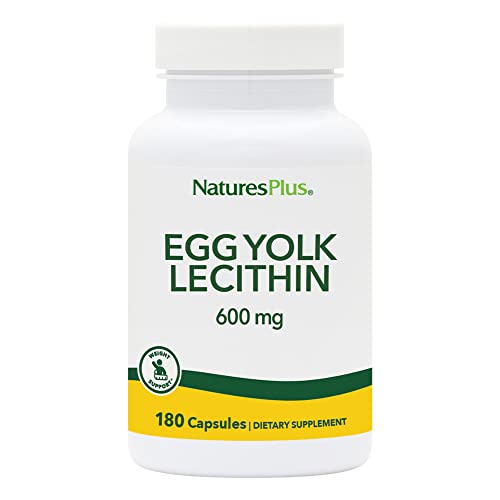
NaturesPlus Egg Yolk Lecithin – 600 mg, 180 Capsules – Soy Free, Gluten Free – 90 Servings
EGG YOLK LECITHIN CAPSULES – Lecithin is a natural fat emulsifier that has a myriad of benefits such…
As an affiliate, we earn on qualifying purchases.
As an affiliate, we earn on qualifying purchases.

Blentte – Non-Dairy Vanilla Soft Serve Mix – Vegan Ice Cream Base for Frozen Yogurt, Gelato & Dessert Makers – All-Natural Plant-Based Powder for Creamy, Delicious, Low-Fat Frozen Treats – 2.8 lbs
SMOOTH AND CREAMY VANILLA FLAVOR – Enjoy a rich, creamy soft serve ice cream mix with a smooth…
As an affiliate, we earn on qualifying purchases.
As an affiliate, we earn on qualifying purchases.