To keep ice cream frozen at a picnic, use dry ice for the best results. Put it in a sturdy, insulated cooler separate from the ice cream with cardboard or towels to prevent direct contact. Always wear gloves and keep it in a well-ventilated area for safety. The sublimation process of dry ice creates extreme cold that lasts longer than regular ice, ensuring your ice cream stays frozen. Want more tips? Keep going to learn the full scoop.
Key Takeaways
- Use a sturdy, insulated cooler with dry ice placed away from the ice cream to prevent direct contact.
- Always wear thick gloves when handling dry ice to avoid frostbite and handle in a well-ventilated area.
- Separate dry ice from the ice cream with cardboard or towels, ensuring it doesn’t touch the dessert directly.
- Pre-freeze the cooler with regular ice or ice packs beforehand for extended cold retention.
- Combine dry ice with other cooling methods like salt and ice for longer-lasting, effective freezing outdoors.
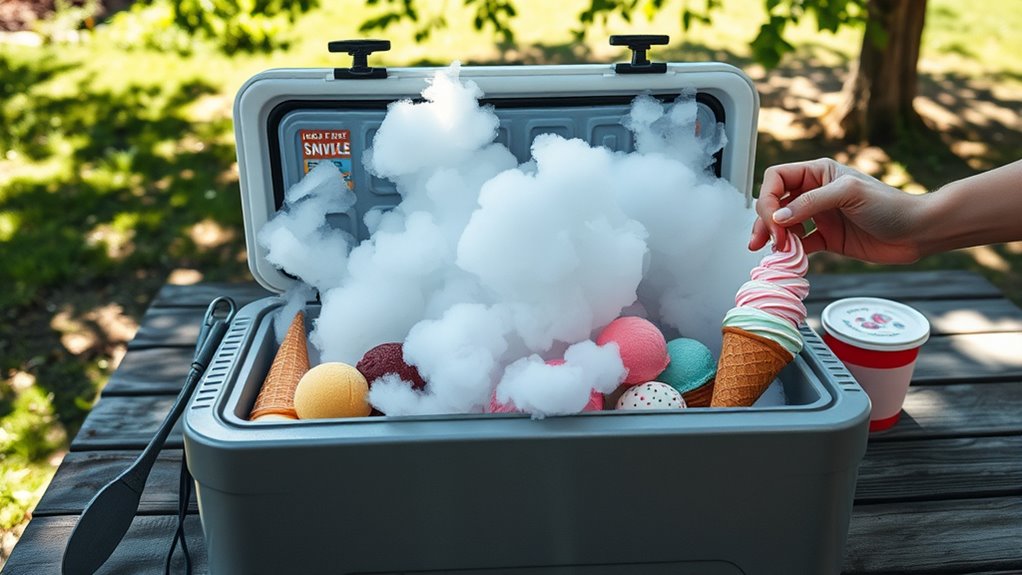
Planning a picnic on a hot day can be tricky, especially when you want to enjoy cold, creamy ice cream without it melting too quickly. You need a reliable way to keep your treat frozen long enough to savor it outdoors. That’s where dry ice comes into play, offering an ultra-effective cooling method that surpasses traditional ice in longevity and temperature. However, handling dry ice requires careful attention to dry ice safety. Always wear thick gloves when handling it to prevent frostbite. Keep it in a well-ventilated area and never store it in an airtight container, as the sublimation process releases carbon dioxide gas, which could cause pressure buildup. Place the dry ice in a sturdy, insulated cooler, making sure it’s not directly touching your ice cream to avoid freezing it solid or damaging the container. Use a layer of cardboard or a towel between the dry ice and your ice cream to prevent direct contact. This setup ensures your ice cream stays frozen without any safety risks. Additionally, proper insulation can significantly enhance the effectiveness of your cooling method, helping your ice cream stay colder longer.
While dry ice is fantastic, it’s not the only way to keep your ice cream cold. If you’re wary of handling it, there are alternative cooling methods you can rely on. Regular ice mixed with salt can lower the temperature inside your cooler, creating a cold environment that keeps your ice cream firm longer. You could also use frozen gel packs, which are safer and easier to manage, though they might not last as long as dry ice. Another option is pre-freezing your cooler beforehand by filling it with ice or ice packs and keeping it in a freezer overnight. This way, when you transfer your ice cream, it benefits from a cold environment that prolongs its freshness. For an eco-friendly alternative, consider using reusable ice packs or even frozen water bottles, which can serve a dual purpose—cooling and hydration.
Ultimately, your goal is to maintain a temperature low enough to prevent melting while prioritizing safety and convenience. Dry ice offers remarkable cooling power, but it demands respect and caution. If you prefer simplicity, regular ice with salt or reusable gel packs can do the trick with less fuss. Whichever method you choose, plan ahead to ensure your ice cream stays deliciously frozen until it’s time to indulge. With the right approach, you can confidently enjoy your picnic treats without the frustration of melted ice cream, making your outdoor feast a sweet success.
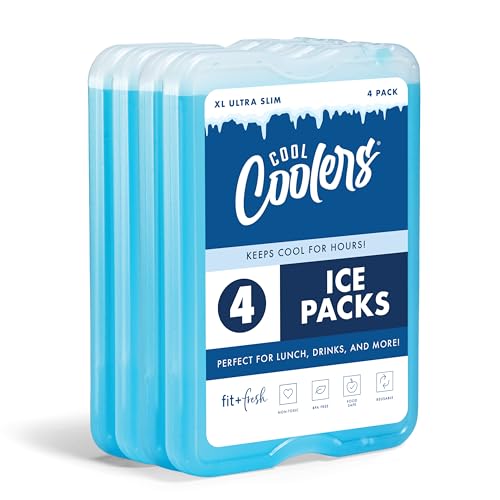
Cool Coolers by Fit & Fresh 4 Pack XL Slim Ice Packs, Quick Freeze Space Saving Reusable Ice Packs for Lunch Boxes or Coolers, Blue, 239ICE, 4 count (Pack of 1)
- Set Includes 4 Slim Ice Packs: Ultra-thin design for easy fit
- Fast Freezing and Long-Lasting Cold: Keeps food and drinks cold all day
- Versatile for Daily Use: Suitable for lunch boxes, coolers, and totes
As an affiliate, we earn on qualifying purchases.
As an affiliate, we earn on qualifying purchases.
Frequently Asked Questions
How Long Does Dry Ice Typically Last in a Picnic Cooler?
Dry ice in your picnic cooler typically lasts 24 to 48 hours, depending on dry ice storage and cooler insulation. To maximize its cooling power, make certain your cooler is well-insulated and keep the dry ice in a ventilated area to prevent pressure buildup. Proper placement, like placing dry ice on top or in the middle, helps it last longer. Check regularly and handle with gloves for safety.
Is It Safe to Touch Dry Ice With Bare Hands?
Handling dry ice is like walking on icy clouds—you wouldn’t want to get too close without precautions. You should never touch it with bare hands, as it can cause frostbite. Always wear safety gear like gloves and tongs, creating a protective barrier between you and the freezing danger. Think of it as a fiery shield; respecting dry ice’s chill keeps you safe while you enjoy its cool magic.
Can Dry Ice Cause Condensation or Water Damage?
Dry ice sublimation releases carbon dioxide gas, which can cause moisture buildup and condensation on nearby surfaces. If you pack dry ice directly against items or containers, this moisture can lead to water damage or soggy packaging. To prevent this, keep dry ice in well-ventilated containers and avoid direct contact with delicate items. Proper handling minimizes condensation and protects your belongings from water-related issues.
What Are the Environmental Impacts of Using Dry Ice?
You might think dry ice is a cool solution, but its environmental impact isn’t so chill. It releases carbon dioxide, contributing to greenhouse gases, which isn’t exactly eco-friendly. Instead, consider eco-friendly alternatives like gel packs, or look into dry ice recycling programs to reduce waste. While dry ice seems convenient, using sustainable options helps protect our planet, proving sometimes, the best choice isn’t the coolest one.
How Should I Dispose of Leftover Dry Ice Properly?
To properly dispose of leftover dry ice, you should follow safety precautions by handling it in a well-ventilated area and wearing gloves to avoid frostbite. Allow the dry ice to sublimate naturally in an open container away from children and pets. Never dispose of it in a sink or toilet, as it can cause damage or blockages. Always verify you’re aware of proper disposal methods to stay safe.
Conclusion
So, next time you’re braving the sun with your ice cream, remember the dry ice trick. It’s ironic how something so cold can save your sweet treat from melting away, yet most overlook it entirely. Instead of watching your dessert turn to soup, take control with this simple hack. After all, why settle for a soggy mess when you can enjoy perfectly frozen ice cream? Stay cool, and let dry ice do the dirty work for you!